B2B cold outreach has a bad reputation, and in most cases it is well earned. Generic mass emails and memorized phone scripts annoy people, get ignored and damage your own brand. And yet, actively reaching new customers is the most predictable growth channel many B2B providers have, more predictable than referrals, faster than organic visibility and less dependent on ad budget. The difference between irritating spam and a welcome message is not the channel, it is relevance. This guide shows how modern cold outreach works in 2026: from the target audience to research and the first message, all the way to the call, the follow-up and the legal framework for US and international outreach.
What cold outreach means in B2B today
Cold outreach is the first contact with companies or people you have had no prior relationship with. In B2B it rarely runs through the phone alone today, but through a combination of email, LinkedIn and calls. The important distinction is the one from warm outreach: with warm contacts there is already a hook, a download, an event or a referral. Cold means that hook is missing and you create it yourself through research. That is the decisive lever. A company you contact cold does not feel cold if the message shows you understood what they do and why your offer might be relevant right now.
Why most cold outreach fails
The most common cause of poor results is not the product, it is the process. Anyone who works through a purchased list of a thousand addresses and sends them all the same message gets predictably low reply rates and burns their sender reputation in the process. Three mistakes show up again and again: audiences that are too broad, missing personalization and impatience. A single message with no recognizable relevance lands in the trash, and after a single attempt most people give up. Successful outreach flips this logic: fewer contacts, but better researched, more personally addressed and more consistently followed up.
Relevance beats reach
A hundred well-researched contacts beat a thousand random ones. This single rule changes the entire approach. Instead of growing the list, you invest the time in the quality of each individual contact. A relevant message needs three building blocks:
- The right recipient: the person who actually has the problem or decides on the solution, not a generic info address.
- The right timing: a trigger that shows the topic is relevant now, such as growth, a new role or a new location.
- The right hook: a concrete connection to the company instead of an interchangeable platitude that would fit anyone.
Step 1: Sharpen your ideal customer profile
Before you write a single message, you define who you are actually targeting. A sharp ideal customer profile describes the companies where your offer makes the biggest difference: industry, company size, region, business model and typical triggers. The more precise this profile, the more relevant the outreach and the higher the reply rate. Two hundred genuinely fitting companies beat five thousand random ones. A good profile also includes disqualifiers, the traits that clearly rule a company out. That way you waste no time on contacts who would never buy anyway.
Step 2: Find the right companies, do not buy them
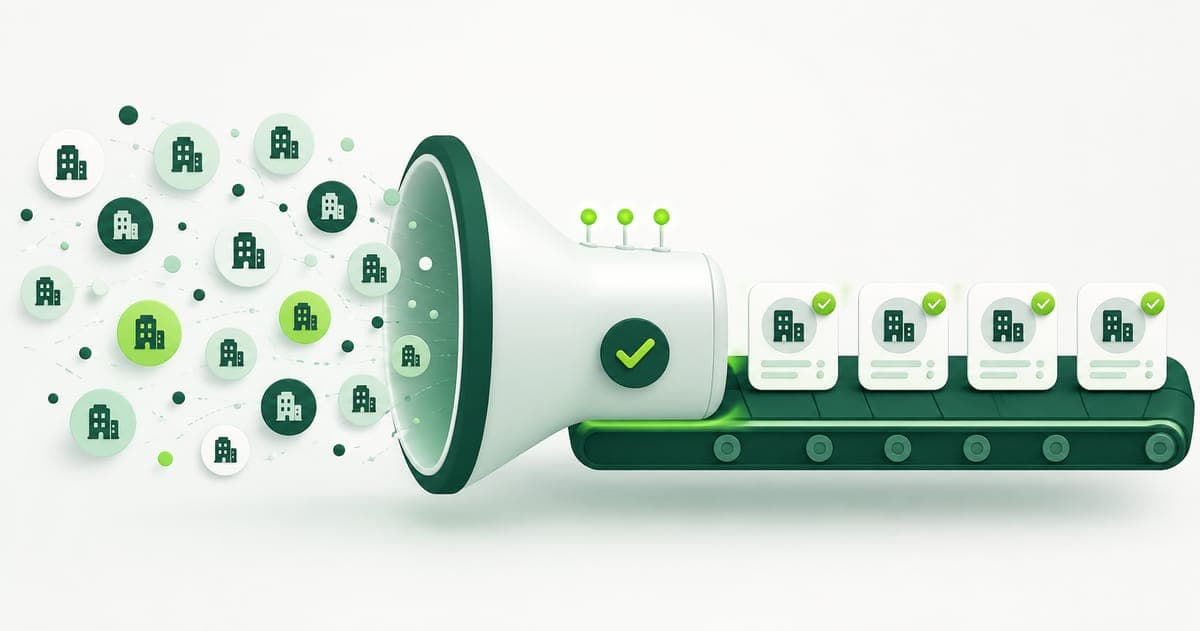
Purchased address lists are tempting because they are available fast. But they have three problems: they go stale the day you buy them, they are often sold to many buyers at once, and their origin is rarely traceable. Fresh research per request makes more sense: companies that fit your profile today, with a verified contact and context. That keeps the bounce rate low, makes the outreach credible and is easier to justify on privacy grounds, because you can document source and recency. Current data is not a comfort question in B2B, it is the foundation for everything that follows.
Step 3: Research before you reach out
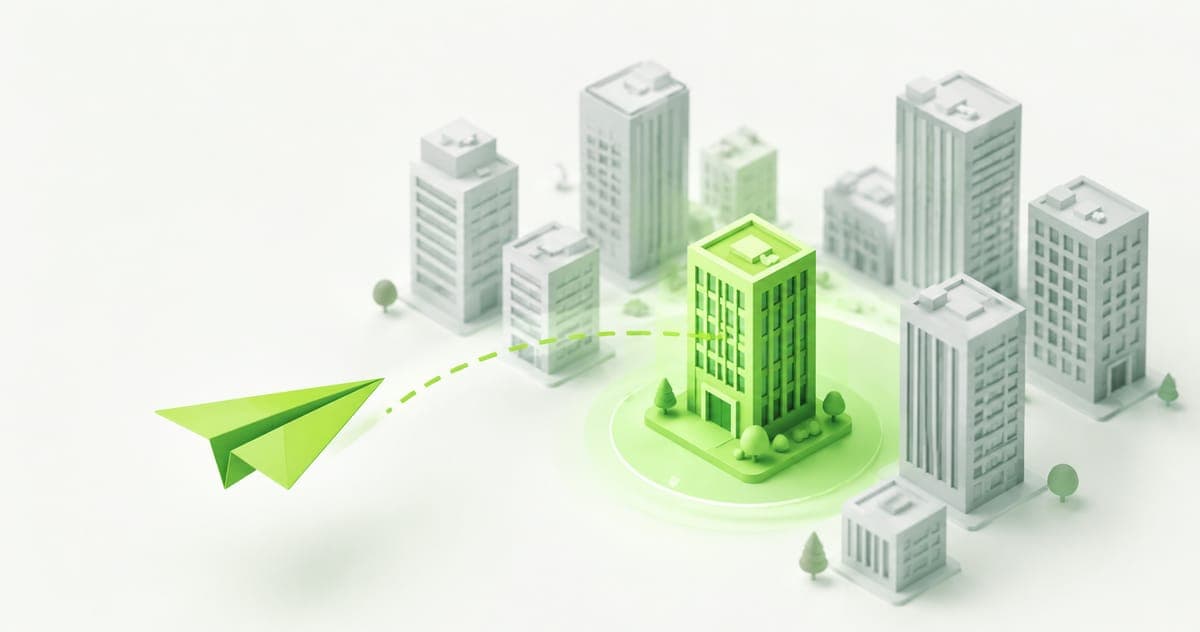
Research is the step most people skip, and that is exactly why it works. Before you write or call, you look for a concrete hook: a current project, an open role, an award, a new market or a technology shift. That one line decides whether your message gets read or deleted. It shows that a human took the time, instead of pushing a button. The important part is that the hook is real and verifiable. Invented or obviously automated personalization is worse than none at all, because it comes across as dishonest.
Step 4: The perfect first email
A good cold email is short, concrete and respectful. It does not sell in the first sentence, it establishes relevance and asks for a small next step. The following points make the difference:
- Keep it short: three to five sentences, no essay and no product brochure.
- Hook first: why this specific company, before you talk about yourself or your offer.
- A single, small next step: a short question or a low-commitment suggestion instead of immediate sales pressure.
- An easy way to decline or object belongs in every message.
- A clear, honest subject line with no clickbait, one that does not look like an ad in the inbox.
Step 5: Cold calling, from call to meeting
The phone feels old-fashioned, but for complex B2B offers it is often the most direct route to the decision-maker. The key is not to sell, but to establish relevance in thirty seconds and ask for a short next step. Calling unprepared burns contacts. Research beforehand what the company does and why your offer might fit now. A good opening follows a simple pattern:
- State your name and the reason for the call in a single sentence.
- Make the connection to the company, not to your product.
- Ask permission for thirty seconds instead of launching straight into a pitch.
- Keep the goal small: a short follow-up meeting, not a close on the phone.
Step 6: Handle objections with confidence
Not interested, no time, send me some material: objections are part of cold outreach and are not a personal failure. Take them seriously, ask a brief question, and offer a simple next step. Anyone who pushes loses the conversation. Anyone who stays respectful and shows genuine interest often earns the right to follow up later. Behind many objections there is no no, just bad timing or missing context. A friendly offer to reach out again in a few weeks is worth more than a forced conversation that leads nowhere anyway.
Step 7: Sequence and follow-up
A single message is rarely enough. Most replies only come on the second or third touch. A short, thoughtful sequence over several days, where every message offers something new, beats any one-off mass send. Restraint matters: three to four polite touches make sense, after that it gets intrusive. Just as important is the iron rule to stop immediately as soon as someone replies or objects. An automated follow-up to someone who has already answered destroys, in seconds, the good impression the first message built.
Combine channels instead of using them in isolation
Email, LinkedIn and the phone complement each other when they are aligned. A thoughtful email creates the first bit of attention, a LinkedIn connection with an honest reason makes you a face rather than an anonymous address, and a well-timed call moves the conversation toward something concrete. What matters is that the person on the other side experiences you as consistent across channels and not bothered twice. Multichannel does not mean being loud everywhere at once, it means running the same thread in the right form across several touchpoints.
The legal framework: CAN-SPAM and GDPR
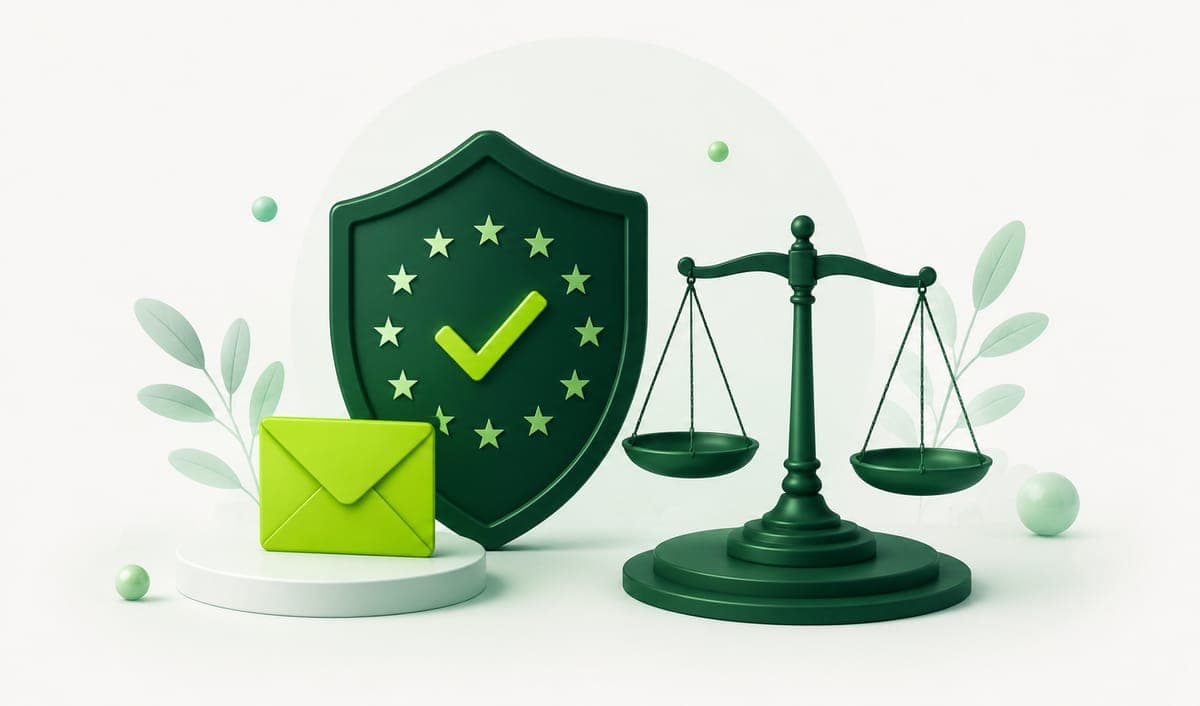
Cold outreach is legal in the US, but it is regulated, and the rules tighten quickly the moment you contact prospects abroad. In the US, commercial email is governed mainly by CAN-SPAM, which does not require prior consent but does require honest headers, a valid physical address and a working opt-out that you honor promptly. Telephone outreach has its own layer, including federal and state do-not-call rules. The moment you email or call contacts in the EU or UK, a stricter regime applies: GDPR plus national marketing rules, where unsolicited B2B email often needs a defensible legal basis. A clean, documented data source and a simple right to object are mandatory either way. You should have your specific process reviewed by a lawyer. For a detailed look at the EU side, see the guide on GDPR-compliant cold outreach.
Common mistakes you should avoid
- Audiences so broad that any personalization becomes impossible.
- Purchased mass lists of unclear origin with high bounce rates.
- Generic templates with no real connection to the company.
- Sales pressure too early instead of a small next step.
- Missing or overly aggressive follow-up, both cost replies.
- Sending through third-party bulk servers, which damages your own domain reputation.
Measure and improve cold outreach
What you do not measure, you cannot improve. The most important metrics are the reply rate, the positive reply rate and the number of meetings booked, not the number of messages sent. A low reply rate usually points to audiences that are too broad or personalization that is too weak, a high bounce rate to stale data. Test systematically, one variable at a time, the subject line or the first sentence, instead of changing everything at once. Small, consistent improvements over weeks work better than a complete restart that gives you no comparable data.
Timing: the right moment decides
Even the best message fizzles out at the wrong time. In B2B there are triggers that suddenly make a topic relevant: a new funding round, a leadership change, entry into a new market, an open role that hints at growth or a gap. Tie your outreach to such triggers and you reach open ears instead of a full desk. That is exactly why ongoing research beats a static list: it shows not only who fits, but when the moment is right. A message that references a current event feels attentive rather than random and instantly stands out from the next generic sales pitch.
Personalization that does not feel forced
Real personalization is more than the first name in the subject line. It shows you understood what the company does and what challenge it faces. The difference is tangible: a line that references a concrete project or a particular trait of the company signals genuine attention. Inserted variables that obviously came from a spreadsheet signal the opposite. The rule of thumb: if a sentence would also fit a hundred other companies, it is not personalized. One genuinely fitting observation beats three generic compliments that every recipient instantly recognizes as filler.
Tone: as equals, not subservient
The tone of cold outreach helps decide whether it lands. Excessive politeness and filler sound insecure, aggressive urgency scares people off. What works best is clear, respectful language between equals, treating the other person as a competent decision-maker and not as a target. Write the way you would speak, avoid jargon that only impresses yourself, and get to the point quickly. A message that respects time and pretends nothing builds trust from the first line. That trust is the real currency in B2B, because nobody buys from someone they do not believe.
Preparation and the right tools
Good cold outreach is eighty percent preparation. Anyone who works without a system gets lost in spreadsheets, forgets follow-up dates and contacts the same person twice. A thoughtful setup records which company is in which phase, what happened last and what the next step is. That keeps outreach consistent even as volume grows. What matters is not the most expensive tool, but one that holds research, outreach and follow-up together instead of spreading them across five tools where the data, and with it the overview, gets lost.
How Firmeo powers cold outreach
Firmeo researches fitting companies live from public sources, checks them against their own website to guard against hallucinations and backs every detail with a source and an AI fit score. You see immediately which matches fit best, and you launch personalized email and LinkedIn sequences from your own mailbox, with automatic volume ramp-up and an immediate stop on reply. Processing runs EU-hosted and GDPR-compliant. That turns random outreach into a predictable, documented process that even small teams can run without an expensive tool stack.
Conclusion
B2B cold outreach is neither dead nor disreputable, it has simply become more demanding. What works in 2026 is not volume but relevance: the right ideal customer profile, freshly researched rather than purchased data, a real hook per company and a short, respectful message across the right channels. Anyone who uses the right moment, personalizes cleanly and follows up consistently but never intrusively turns cold contacts into welcome conversations. The legal framework for US and international outreach demands care, but it rewards exactly the virtues that belong to good outreach anyway: traceable data, a factual hook and a simple right to object. That turns cold outreach from a gamble into a predictable process that even small teams can master. The decisive thing is to do less, but better: two hundred well-prepared companies rather than five thousand random ones. Anyone who internalizes this principle and improves their process step by step based on reply rates builds an outreach channel that reliably delivers new conversations, independent of referrals and ad budget. That is exactly what makes cold outreach, despite its reputation, one of the most valuable tools in B2B sales, provided you take it seriously and run it with respect for the other person's time.